
Laparoscopic Soft Tissue Surgery in Rome, GA
At Animal Medical Center of Rome, we are proud to offer laparoscopic soft tissue surgery, a minimally invasive option that provides pets with faster healing, less pain, and smaller incisions compared to traditional surgery. Using advanced technology, our skilled veterinary team can perform a variety of procedures including organ biopsies, abdominal explorations, and gastropexies with enhanced precision and safety.
Our Commitment to Safety
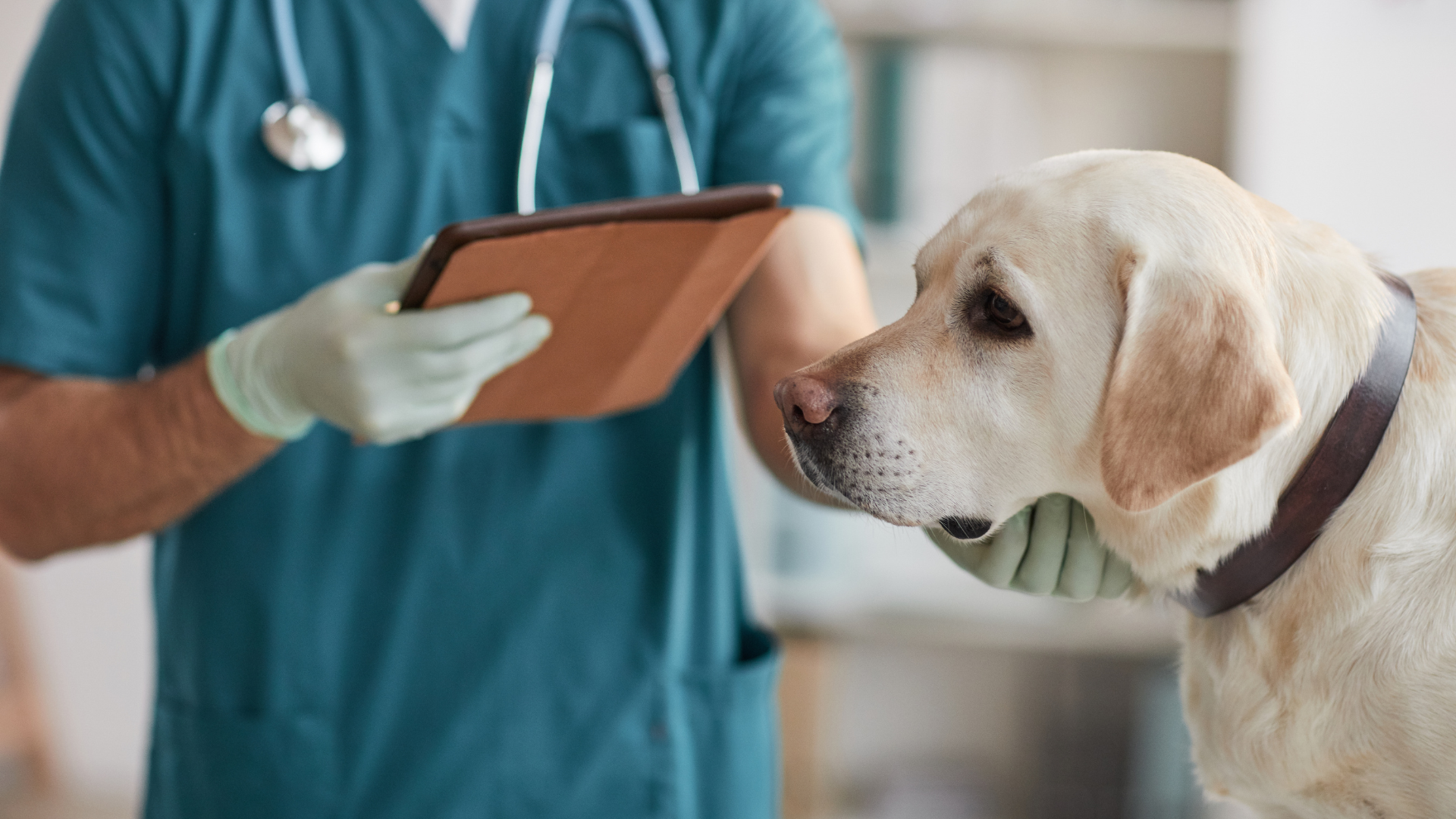
At Animal Medical Center of Rome, your pet’s health and comfort are always our top priorities. Every laparoscopic soft tissue surgery begins with a thorough pre-anesthetic exam and lab work to assess overall health. We use anesthesia protocols tailored to your pet’s unique needs and provide continuous monitoring of heart rate, blood pressure, and oxygen levels throughout the procedure. To ensure a smooth recovery, we also include comprehensive pain management before, during, and after surgery.
Benefits of Laparoscopic Surgery
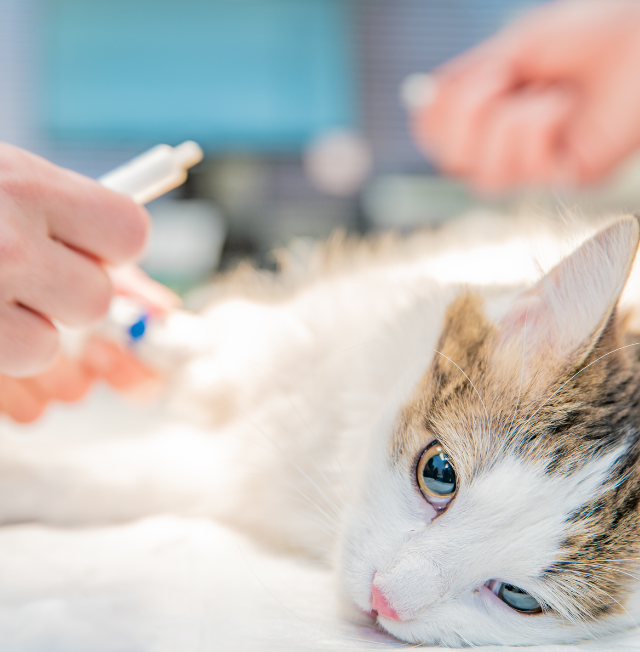
Laparoscopic soft tissue surgery offers many advantages for both pets and their families, including:
-
Smaller incisions and less tissue trauma
-
Reduced pain and faster recovery times
-
Lower risk of infection and complications
-
Quicker return to normal activity
This advanced technique is designed to make surgery less stressful and more comfortable for your pet.
FAQs
What is the difference between soft tissue surgery and orthopedic surgery?
Soft tissue surgery covers procedures involving internal organs, skin, and muscles. Orthopedic surgery, by contrast, specifically focuses on the bones, joints, and ligaments.
What does "laparoscopic" mean?
Laparoscopic surgery is a minimally invasive technique that uses a small camera (a laparoscope) and specialized tools. This allows the veterinarian to view and operate inside the body through very small incisions.
What are some common examples of soft tissue procedures?
General examples of soft tissue surgery include mass removals, spays and neuters, bladder surgery, and exploratory procedures to examine internal organs.
How is a pet's health assessed before a surgery?
Standard practice typically involves a physical examination and pre-anesthetic blood work. These steps help provide a general overview of the pet’s internal health before any procedure begins.
Why are incisions sometimes closed with sutures?
Sutures (stitches) are used to hold the edges of a surgical incision together. This protects the site and allows the skin or tissue to knit back together during the natural healing process.